How to Plan a Plumbing Fixture Upgrade in Derry, NH
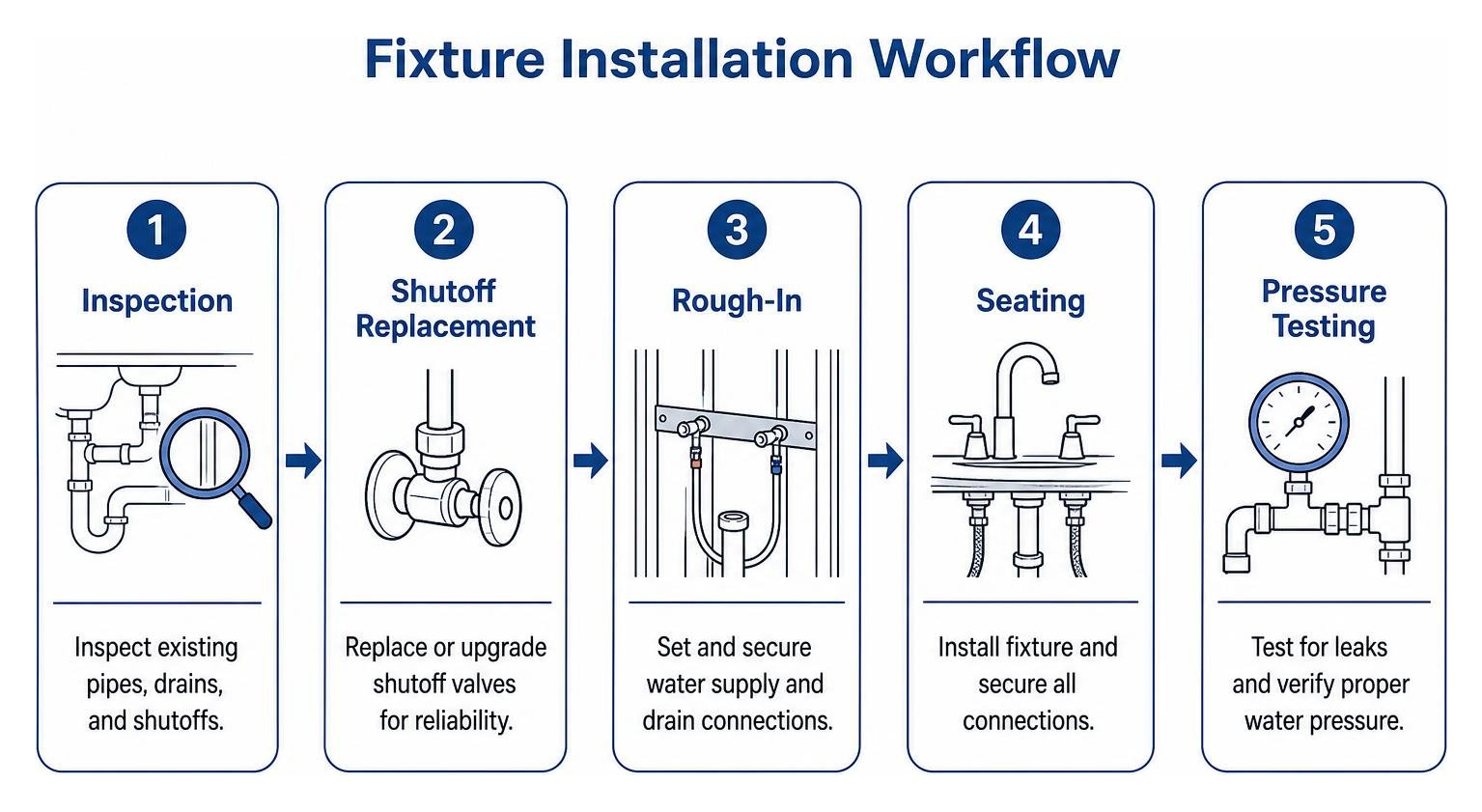
For plumbing fixture installation in Derry, NH, start by choosing a fixture that fits your space and existing pipes. Then have a plumber check the shutoff valves, water supply, drains, and any permit needs before work begins. A careful fit and leak test matter just as much as the fixture you choose.
That approach can help you avoid water damage while making a bathroom or kitchen upgrade easier to live with. It also gives you a chance to consider water-saving toilets and faucets. According to the U.S. Environmental Protection Agency, WaterSense-labeled fixtures can reduce household water use by 20 percent or more.
The team at Daigle Plumbing, Heating & Cooling brings technical service experience to help plumbing fixture installation Derry NH homeowners can plan with confidence.

Precision Matters: Code Compliance and Avoiding DIY Installation Mistakes
Swapping out an old faucet or installing a new comfort-height toilet looks straightforward in online video tutorials. In practice, plumbing systems are balanced networks of pressure, drainage pitch, and venting. A small error during installation can lead to slow leaks inside walls, subfloor rot, or sewer gas entering living spaces. When fixtures leak slowly over months, the damage often remains hidden until structural repairs become necessary.
Minor leaks and worn components can quickly add up on water bills. Prompt water leak detection and repair in Derry can help address hidden plumbing issues before a fixture upgrade or remodel.
Navigating Derry NH Plumbing Codes and Clearances
Plumbing projects in Derry follow the International Plumbing Code alongside New Hampshire state building amendments. These codes are not just administrative hurdles; they protect your household health and ensure every fixture drains safely.
Key code specifications include:
- Fixture Clearances: A standard toilet requires a minimum of 15 inches of clearance from its centerline to any side wall or vanity, as well as at least 21 inches of clear space in front of the bowl.
- Drain Venting Standards: Every fixture trap must connect to a proper vent line to prevent negative pressure from siphoning water out of the trap seal.
- Trap Seal Depth: P-traps must maintain a water seal between 2 and 4 inches deep to block hazardous sewer gases from drifting up into your bathroom or kitchen.
Common Errors in Plumbing Fixture Installation Derry NH Projects
Many fixture failures stem from simple oversights during installation. DIYers frequently overtighten fittings, which cracks porcelain sink rims or snaps brass shutoff stems. Another common issue involves reusing old, stiff supply lines that fail under fresh municipal water pressure.
Common installation mistakes include:
- Wax Ring Misalignment: Setting a toilet without properly centering it over the flange crushes the wax unevenly, causing subtle leaks beneath the floor tiles.
- Improper Venting: Installing an unvented S-trap beneath a newly remodeled sink vanity, which leads to gurgling drains and foul odors.
- Cross-Threading Supply Lines: Forcing compression nuts onto shutoff valves at an angle, ruining the threads and causing high-pressure spray leaks.
- Ignoring Corroded Shutoffs: Failing to replace multi-turn gate valves with modern quarter-turn ball valves before hooking up new fixtures.
When addressing minor maintenance around the house, understanding how to handle fixing dripping taps and fixture leaks can help keep small issues from turning into major water emergencies.
Step-by-Step Guide to Fixture Selection and Modern Upgrades
Selecting fixtures involves balancing aesthetic goals with mechanical realities. Modern plumbing fixtures offer improved ergonomics, durable ceramic disc cartridges, and water-conserving engineering.

Choosing the Right Sink: Drop-In vs. Undermount vs. Vessel
Your sink style dictates the required countertop cutouts, faucet heights, and rough-in drain locations.
| Sink Type | Countertop Compatibility | Pros | Cons / Installation Needs |
|---|---|---|---|
| Drop-In (Self-Rimming) | Laminate, Solid Surface, Quartz, Granite | Simple installation; fits existing standard cutouts; rim contains surface splashes | Rim collects grime along the edges; takes up visible counter space |
| Undermount | Solid Surface, Quartz, Granite (Not Laminate) | Seamless wipe-down cleaning; sleek modern look | Requires professional undermount clips and silicone bonding; custom cutouts needed |
| Vessel | Solid Surface, Quartz, Granite, Wood | Bold visual design; preserves cabinet storage space below | Requires tall vessel faucet or wall-mount faucet; higher basin rim can affect ergonomics |
High-Efficiency Fixtures and Water Savings in New Hampshire
Older fixtures consume significant amounts of water. Pre-1994 toilets often use 3.5 to 5.0 gallons per flush (GPF), while standard bathroom aerators flow at 2.2 gallons per minute (GPM) or higher.
Upgrading to EPA WaterSense-certified fixtures cuts daily water demand substantially:
- High-Efficiency Toilets (HETs): Modern gravity-fed or dual-flush toilets operate at 1.28 GPF or less, saving thousands of gallons per person each year without sacrificing flushing power.
- Low-Flow Faucet Aerators: High-efficiency aerators mix air into the water stream, reducing flow to 1.5 or 1.2 GPM while maintaining comfortable rinsing pressure.
- Efficient Showerheads: Modern 1.75 to 2.0 GPM showerheads utilize specialized spray chambers to deliver a full-body spray pattern while reducing hot water demand.
Reducing hot water volume also eases the workload on your heating equipment. Pairing low-flow fixtures with comprehensive water heater maintenance helps extend the operating life of your home’s water heating system.
Advanced Plumbing Fixture Installation Derry NH: Relocation and Infrastructure Sizing
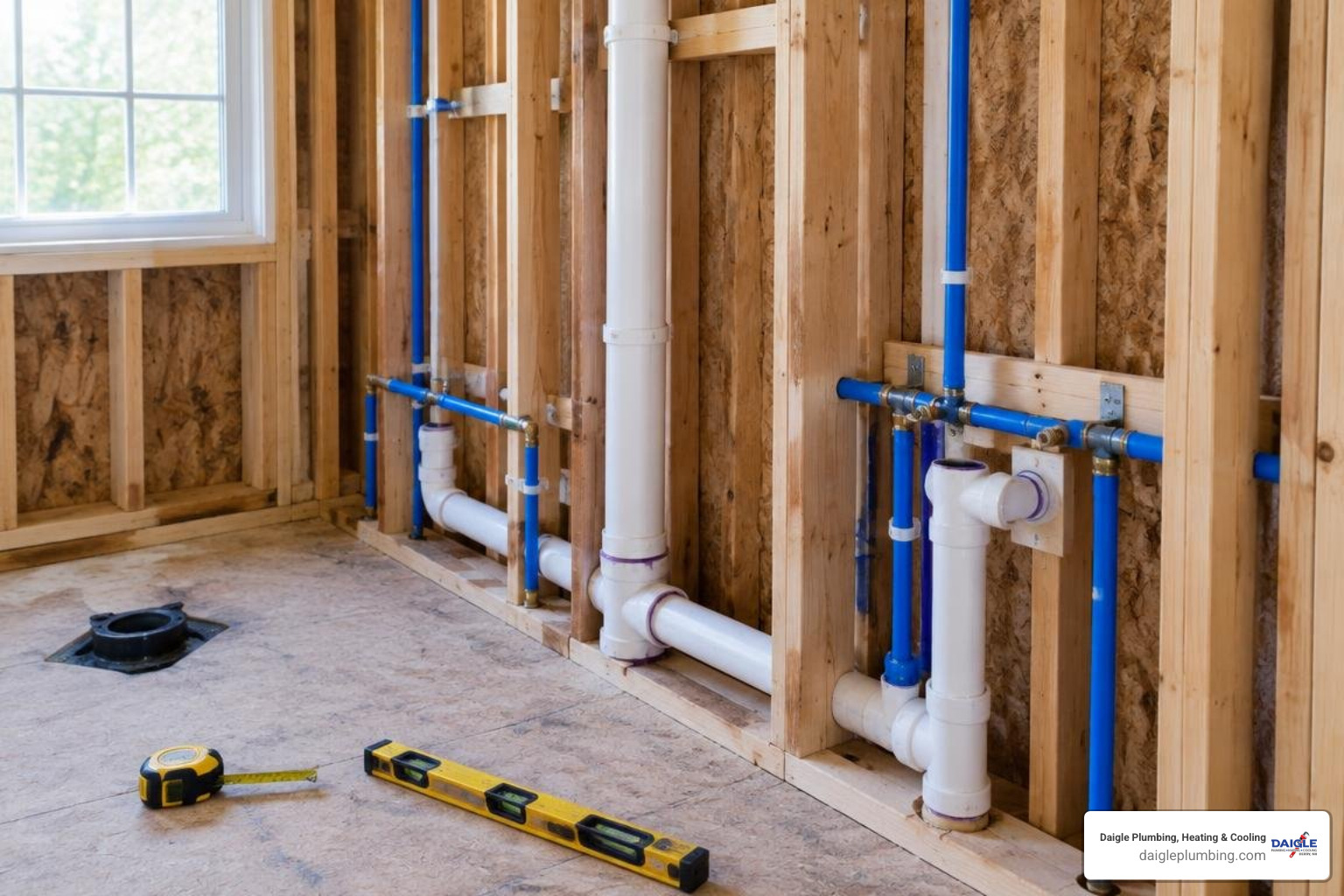
Moving fixtures to create an open-concept kitchen or expanding a small half-bath into a full master suite requires modifying the rough-in infrastructure behind walls and below floors.
Relocating Sinks, Toilets, and Showers
Relocating fixtures involves more than running flexible tubes to a new corner. Drain lines require precise pitch (typically 1/4 inch of downward slope per foot of pipe) to transport solid waste and wastewater reliably.
Moving a toilet requires drilling through floor joists or reframing sections of the subfloor while maintaining proper structural integrity. Shower relocations require installing a sloped pre-pan, waterproof membrane, and integrated drain body to ensure the assembly never leaks into rooms below. Understanding how piping interacts during early renovation stages mirrors new construction plumbing phases and materials, where rough-in placement dictates final performance.
Assessing Water Line Capacity for Luxury Fixtures
Luxury fixtures like multi-spray body jets, rain showerheads, and freestanding soaking tubs place higher demands on your home’s water system.
- Water Pressure: Standard residential plumbing requires between 40 and 60 PSI (pounds per square inch). High-demand shower systems often struggle if municipal pressure or well pump output sits below 45 PSI.
- Supply Line Diameter: While standard fixtures connect via 1/2-inch PEX or copper lines, multi-head shower setups and rapid-fill tub valves require dedicated 3/4-inch supply lines from the main trunk to avoid pressure drops when other fixtures are running.
- Thermostatic Mixing Valves: High-output shower systems require pressure-balancing or thermostatic mixing valves to prevent sudden temperature spikes if someone runs a washing machine or flushes a toilet elsewhere in the house.
Costs, Warranties, and Choosing a Licensed Derry Plumber
Investing in professional installation protects your home from costly water leaks and preserves manufacturer warranties. For projects that change the layout or function of a bathroom, bathroom remodeling in Derry can coordinate the plumbing work with the broader renovation.
When vetting local contractors for renovations, using proven strategies for finding a qualified plumbing contractor helps ensure your project is completed safely and up to code.
What to Expect for Plumbing Fixture Installation Derry NH Costs
The overall investment for fixture replacement depends on several project variables:
- Scope of Work: Direct same-location fixture swaps require fewer labor hours than complete fixture relocations requiring rough-in modifications.
- Component Condition: Outdated galvanized pipes, deteriorated subflooring, or corroded shutoff valves require updating before new hardware can be secured.
- Permits and Inspections: Projects involving new drain lines, venting modifications, or rough-in relocations require local building permits in Derry.
Urgent Fixture Replacement and Contractor Credentials
When a supply line fractures, a shutoff valve snaps, or a toilet bowl cracks, urgent fixture replacement becomes necessary to prevent structural water damage.
When choosing a local plumber in Derry, NH, confirm these credentials:
- State Licensure: Verify that the technicians hold active New Hampshire master or journeyman plumbing licenses.
- Comprehensive Insurance: Ensure the business carries general liability and workers’ compensation coverage.
- Workmanship Guarantees: Look for established local companies that back their labor with clear satisfaction guarantees alongside manufacturer product warranties.
Frequently Asked Questions About Derry NH Fixture Installation
Can my older Derry home support a luxury rain shower system?
Older homes with original 1/2-inch galvanized or copper distribution lines can often support a single low-flow rain showerhead. However, systems that combine a rain head with handheld wands or body jets typically require running a new 3/4-inch dedicated supply line from the main water manifold to deliver adequate water volume.
How do I know if a damaged fixture needs repair or full replacement?
If a fixture has cracked porcelain, severe internal body corrosion, discontinued cartridge parts, or repeated leaks around the mounting base, complete replacement is generally the most cost-effective path. Minor issues like a worn rubber O-ring, mineral-clogged aerator, or faulty flapper can usually be resolved with simple repairs.
Do I need a plumbing permit to replace fixtures in Derry, NH?
A direct, like-for-like fixture swap in the exact same location (such as replacing an old toilet with a new one on an existing, undamaged flange) generally does not require a municipal permit. However, if your project involves moving supply pipes, altering drain lines, adding new vents, or relocating fixtures during a remodel, you must obtain a plumbing permit from the Town of Derry Code Enforcement office.
Conclusion
Upgrading the plumbing fixtures in your kitchen and bathrooms improves comfort, lowers utility bills, and updates your home’s interior design. Ensuring that every sink, faucet, showerhead, and toilet is installed with proper venting, correct line sizing, and secure seals provides long-term peace of mind against leaks and water damage.
Whether you are swapping an outdated vanity, adding water-efficient toilets, or planning a complete bathroom remodel, Daigle Plumbing, Heating & Cooling brings more than 40 years of local New Hampshire plumbing experience. Our licensed professionals handle every detail from code compliance to final leak testing. Contact our professional plumbing fixture installation technicians to get started on your next home upgrade.