Essential Fall HVAC Checklist for New Hampshire Homeowners
Start your fall HVAC maintenance by replacing or cleaning the air filter, testing the thermostat, clearing supply and return registers, checking visible burner and vent areas for soot or blockage, and confirming smoke and carbon monoxide alarms work. Derry homeowners should complete these basics before the first hard freeze and schedule a professional tune-up for combustion testing, electrical checks, safety controls, heat exchangers, and airflow issues that require HVAC tools and training. According to the U.S. Department of Energy, routine maintenance supports efficiency and safety, and ENERGY STAR notes that proper seasonal care can reduce heating costs while extending equipment life.
A comprehensive seasonal inspection covers mechanical safety, electrical integrity, and airflow distribution. To keep your system running smoothly, follow these essential maintenance steps:
- Replace or clean air filters to prevent airflow blockages and reduce strain on blower motors. Following a consistent furnace filter replacement schedule ensures consistent indoor air quality and heating efficiency.
- Test and calibrate your thermostat to verify that your system accurately responds to temperature changes without short cycling.
- Clear all supply and return registers throughout your living spaces, making sure drapes, furniture, and rugs do not block airflow.
- Inspect the furnace burner assembly for soot buildup, rust, or uneven flame patterns that signal incomplete combustion.
- Check the heat exchanger for visible corrosion, cracks, or signs of wear that could compromise home safety.
- Tighten all electrical connections and measure operating voltage to prevent unexpected electrical faults.
- Test all home smoke detectors and carbon monoxide alarms, replacing backup batteries to ensure rapid warning in case of ventilation issues.
DIY Tasks vs. Professional Tune-Up Requirements
Homeowners can easily manage several basic tasks to support their heating systems. Swapping standard filters every 30 to 90 days keeps airborne dust from coating internal components. You can also walk through each room to vacuum dust off return grilles, keep flammable items at least three feet away from your furnace or boiler, and verify that the exterior exhaust flues remain free of autumn leaves and animal nests.
Other tasks, however, require specialized diagnostic equipment and technical training. For instance, safely diagnosing a furnace inducer motor or inspecting internal gas valves involves working around high-voltage lines and combustible fuels. Lubricating sealed motor bearings, testing safety limit switches, and cleaning delicate flame sensors should always be entrusted to certified professionals.
When to Schedule Professional HVAC Services in Derry NH
Scheduling your seasonal tune-up before temperatures drop below freezing ensures any lingering mechanical defects get resolved early. Professional technicians conduct specialized testing that goes far beyond surface cleaning.
During an annual visit, a technician performs advanced combustion analysis to measure draft pressure, exhaust gases, and burn efficiency. They evaluate heat pump reversing valves, measure refrigerant levels, check electrical amperage across moving parts, and examine ductwork for hidden thermal leaks. Using the same preventive approach for air conditioning maintenance and heating equipment eliminates small mechanical stresses before they turn into costly mid-winter failures. For broader guidance on seasonal preparation, the U.S. Department of Energy explains how routine maintenance supports efficiency and safety.
Comprehensive HVAC Services in Derry NH: Repair vs. Replacement Guide
Deciding whether to repair an aging heating system or invest in a modern replacement is a common dilemma for Derry homeowners. In Southern New Hampshire, where winters are demanding and approximately 65% of homes rely on heating oil or propane, heating efficiency plays a massive role in seasonal expenses.
| Decision Factor | Keep & Repair Existing System | Invest in Full System Replacement |
|---|---|---|
| System Age | Under 10 to 12 years old | Exceeds 12 to 15 years old |
| Repair Cost Frequency | Minor, isolated issues under half the equipment value | Frequent breakdowns with repair costs exceeding 50% of system value |
| Heating Performance | Rooms heat evenly with steady temperatures | Persistent cold spots, weak airflow, and long run cycles |
| Energy Bills | Fuel consumption remains predictable and steady | Energy and fuel costs continue to climb year over year |
| Safety Concerns | Clean combustion, stable pilot, intact heat exchanger | Cracked heat exchanger, carbon monoxide risks, excessive soot |
Recognizing Warning Signs in Aging Systems
Heating systems rarely fail without warning. In Derry, where the average age of residential heating units is 12 to 15 years, recognizing early warning signs can save you from a complete loss of heat during a blizzard.
Watch out for short cycling, where your furnace turns on and off rapidly without reaching the set temperature. Squealing belts, banging ductwork, or grinding blower motors indicate mechanical wear. If you notice a yellow or flickering burner flame instead of a crisp blue flame, your system may be experiencing incomplete combustion. Uneven warmth across different floors and sudden jumps in your monthly heating bills are also clear signs that your heating system is nearing the end of its useful lifespan.
Transitioning to High-Efficiency Heat Pumps and Ductless Solutions
Homeowners looking to upgrade older oil boilers or electric baseboards increasingly choose modern cold-climate heat pumps. Today’s inverter-driven systems deliver reliable heating even when outdoor temperatures dip well below zero degrees Fahrenheit.
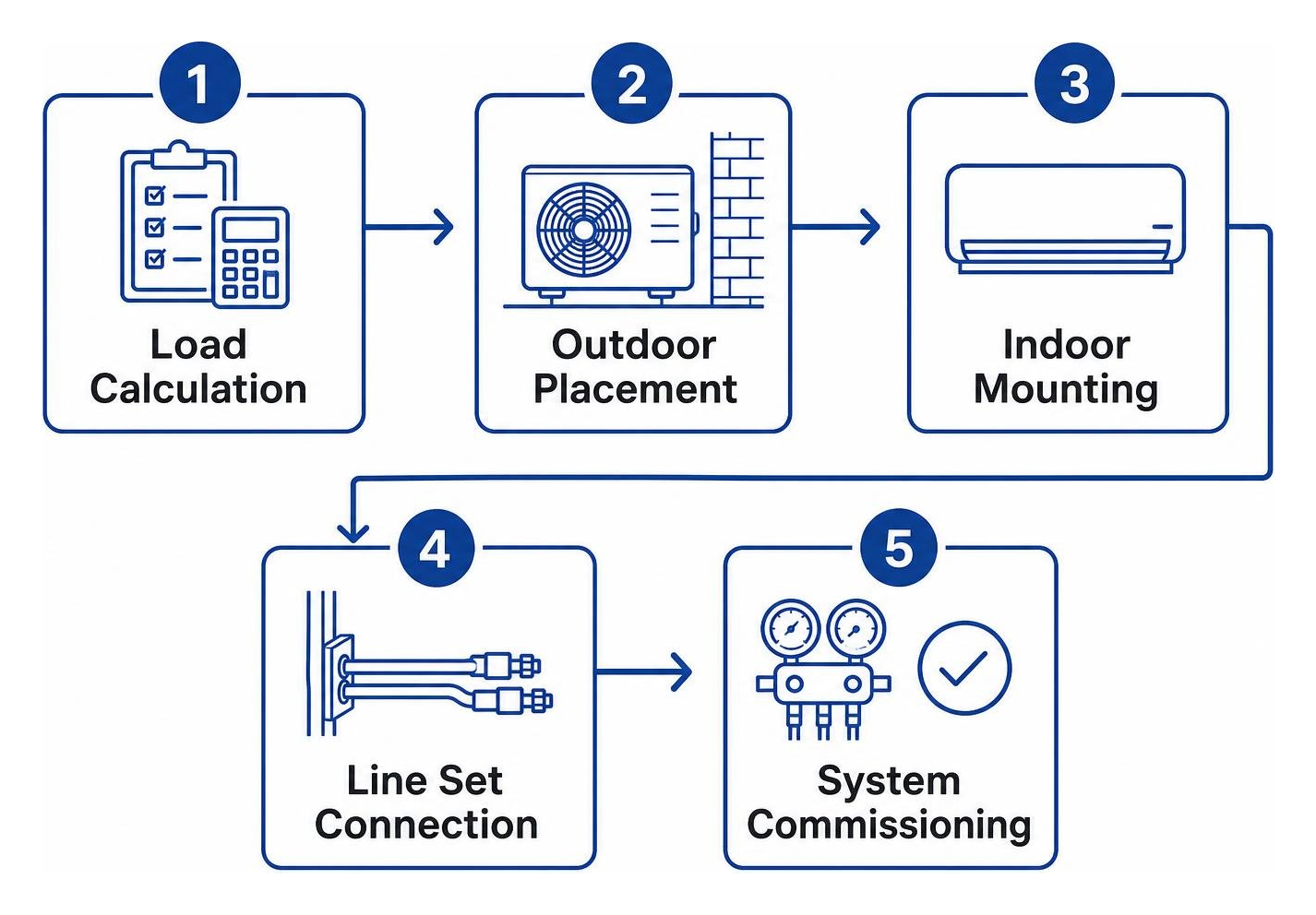
Installing ductless mini-split systems provides independent temperature control across custom zones in your home. This zoned setup eliminates the energy losses common in older sheet-metal ductwork while providing both efficient winter heating and quiet summer cooling in a single system.
Cost Breakdown, Local Codes, and Energy Rebates in Derry, NH
Upgrading or maintaining an HVAC system requires careful financial planning. Investing in high-efficiency equipment delivers strong long-term returns by lowering monthly fuel and electricity consumption. Proper annual care also helps Derry homeowners reduce overall energy consumption by up to 30%.
Local regulations in Derry require mechanical, electrical, and gas permits for major HVAC installations and replacements. Working with a licensed contractor ensures that all equipment sizing, ventilation, fuel piping, and electrical disconnects comply fully with town building codes and New Hampshire state energy conservation codes.
Understanding Typical Service and Installation Expenses
HVAC system replacement investments vary depending on equipment capacity, system complexity, duct modifications, and overall efficiency ratings. Standard high-efficiency gas furnaces, modern boilers, and cold-climate heat pump systems each carry unique equipment requirements.
When planning your budget, look for high SEER2 (Seasonal Energy Efficiency Ratio) ratings for cooling and elevated AFUE (Annual Fuel Utilization Efficiency) percentages for heating. Equipment certified by ENERGY STAR may cost slightly more upfront, but it pays for itself over time through lower monthly utility bills and extended operational lifespans. Homeowners in Derry can also take advantage of NHSaves utility rebates and federal energy tax credits to offset installation costs for qualifying heat pumps and smart thermostats.
Evaluating Service Contracts and Maintenance Agreements
An HVAC service agreement takes the guesswork out of seasonal equipment maintenance. A comprehensive maintenance plan keeps your equipment operating within original manufacturer specifications year after year.
When evaluating maintenance agreements, look for plans that include:
- Scheduled bi-annual tune-ups (heating in the fall, cooling in the spring)
- Priority scheduling for urgent service calls during peak weather
- Discounts on replacement parts and labor
- Comprehensive multi-point safety inspections
- Extended warranty coverage for newly installed components
How to Choose the Best Provider for HVAC Services in Derry NH
Selecting the right contractor ensures that your heating and cooling equipment runs safely, efficiently, and reliably. Heating installations and complex repairs require specialized tools, precise calculations, and in-depth knowledge of local climate demands.
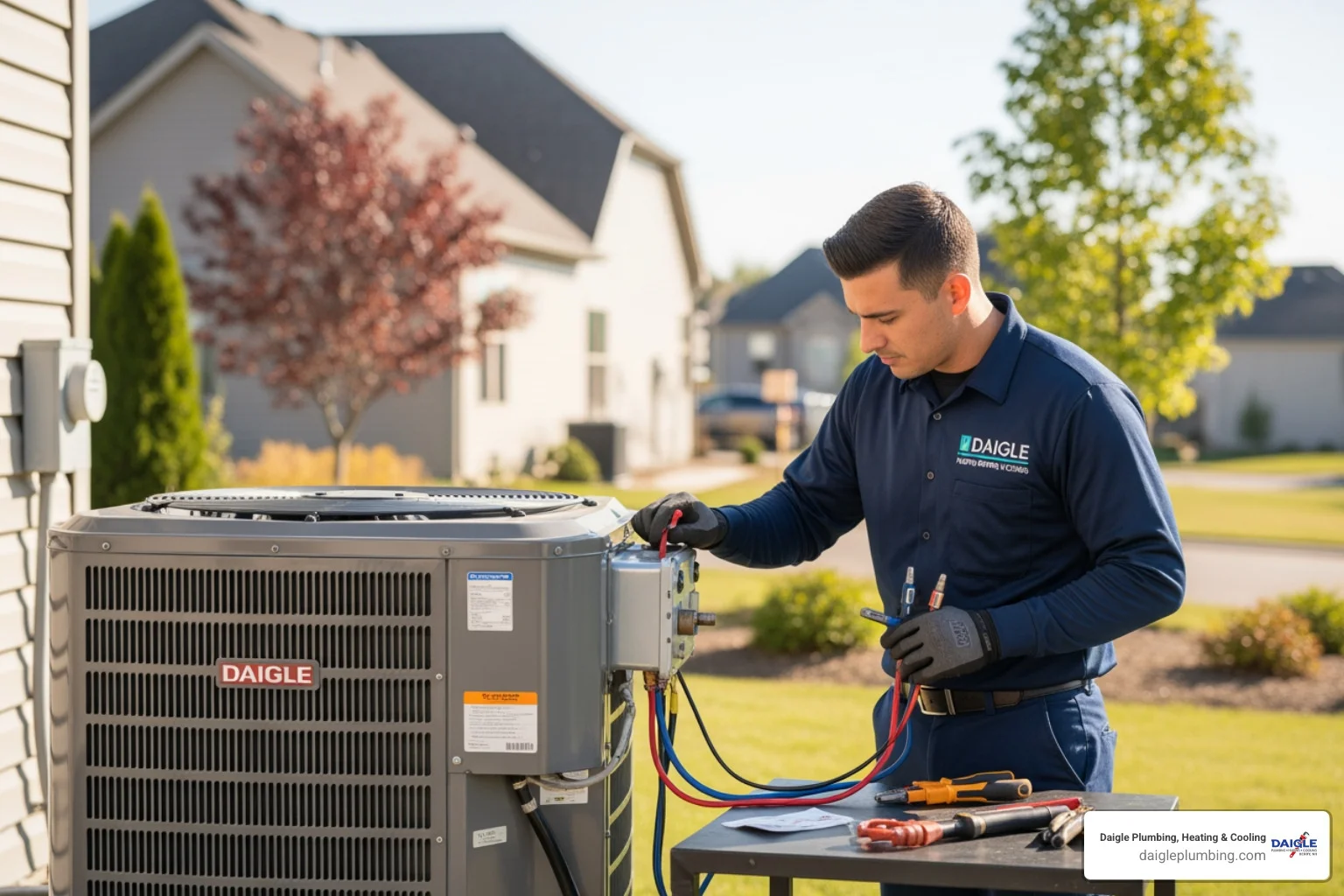
When vetting local providers, verify that the company holds active New Hampshire mechanical licenses and comprehensive liability and workers’ compensation insurance. Trustworthy contractors provide clear, upfront written estimates, back their work with satisfaction guarantees, and employ technicians certified by recognized industry organizations. Reading local customer reviews gives you direct insight into a company’s professionalism, punctuality, and communication.
Key Qualifications and Standards for Derry Contractors
Our team brings over 40 years of family-owned experience to every project, providing licensed expertise across Derry, Salem, Londonderry, Manchester, Nashua, and surrounding communities. We pride ourselves on transparent pricing, clear communication, and personalized solutions for every home. When you need dependable heating services in Derry, NH, choosing a proven local expert guarantees that your system is fully prepared for winter.
Frequently Asked Questions About HVAC in Derry, NH
How often should I service my heating and cooling system in Derry?
You should have your HVAC equipment professionally serviced twice a year. Schedule a heating tune-up in the early fall before freezing weather sets in, and arrange an air conditioning inspection in the spring. This seasonal schedule keeps your equipment running efficiently, prevents sudden breakdowns, and extends its operating life.
What are the most common heating problems during Derry winters?
The most frequent winter heating issues include clogged air filters, frozen exterior heat pump drain lines, failed electronic igniters, worn blower motor capacitors, and malfunctioning thermostats. Heavy snow accumulation around exterior vents and intake pipes can also cause high-efficiency furnaces to shut down automatically for safety.
How much can proper fall maintenance save on winter heating bills?
Routine fall maintenance can lower your seasonal heating costs by up to 30%. Cleaning burners, calibrating thermostats, sealing minor duct leaks, and replacing dirty filters helps your heating system transfer warmth efficiently without burning extra fuel or overworking its electrical components.
Conclusion
A thorough fall HVAC checklist is the best way to keep your Southern New Hampshire home warm, safe, and energy-efficient throughout the winter. Addressing basic DIY upkeep and booking an in-depth professional tune-up lets you catch minor mechanical problems before they leave you without heat in sub-zero weather.
At Daigle Plumbing, Heating & Cooling, our family-owned team has served local homeowners for over four decades. We deliver prompt heating help, transparent options, and top-tier workmanship backed by our satisfaction guarantee. Contact us today to schedule your seasonal tune-up and experience dependable expert HVAC services in Derry, NH.